Schools in Dubai
Dubai has 219+ private schools across 14 curriculums, regulated by the Knowledge and Human Development Authority (KHDA). Schoolsery helps you compare schools by KHDA rating, curriculum, fees and location, so you can find the right fit for your child.
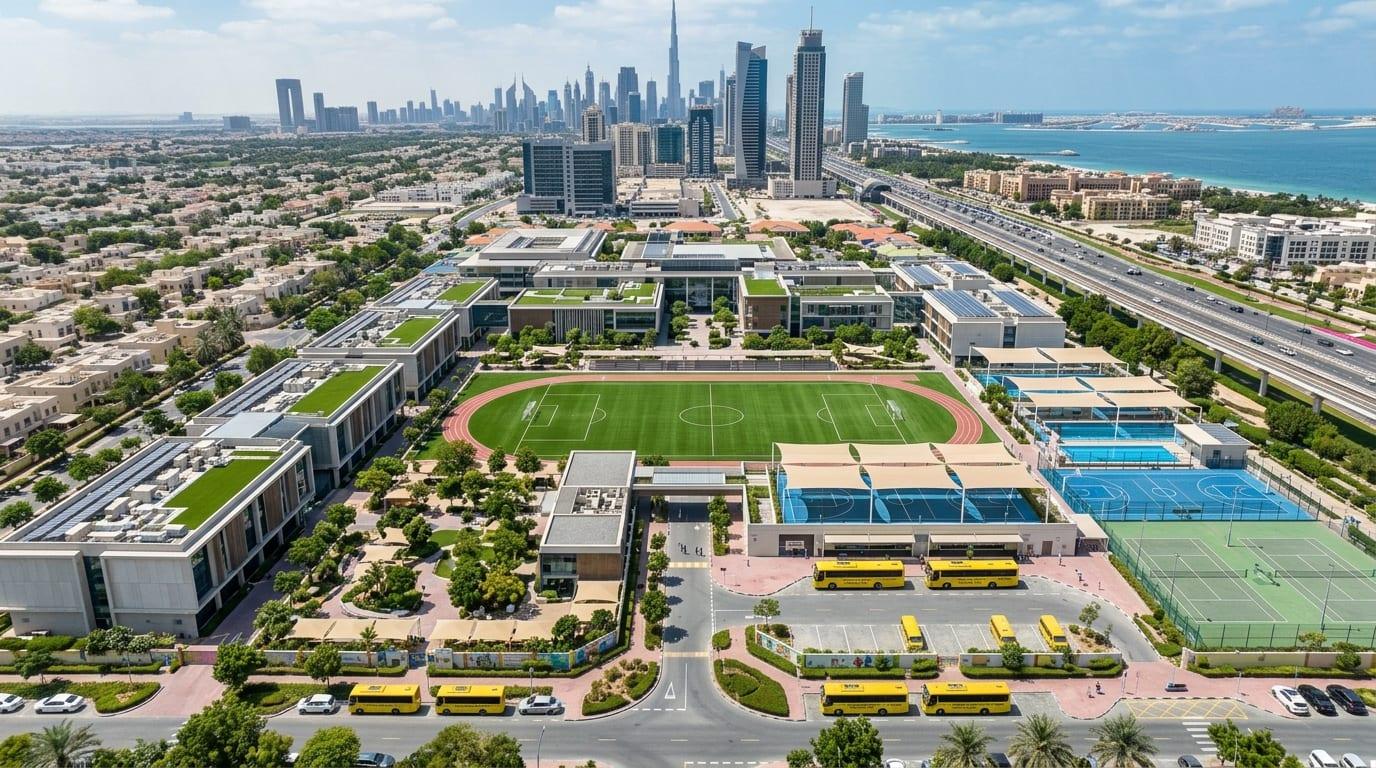
Top-rated schools in Dubai
The highest-rated private schools in Dubai based on their latest KHDA inspection.
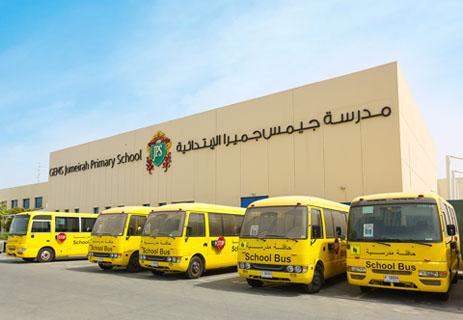
Gems Jumeira Primary School (Al Safa 1)
Al Safa First, Dubai
Foundation Stage 1 (Nursery) to Year 6
43,000 to 54,500Yearly
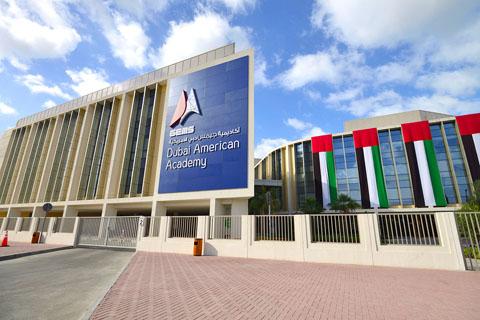
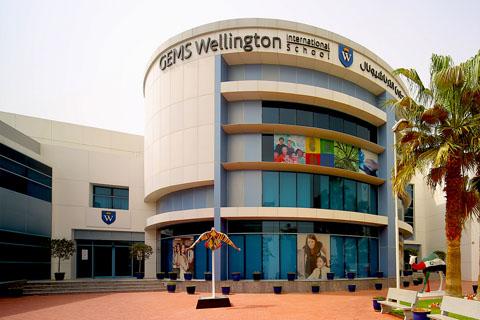
Gems Wellington International School (Al Sufouh 1)
Al Sufouh First, Dubai
Foundation Stage 1 (Nursery) to Year 13
46,000 to 101,500Yearly
Best value & affordable schools in Dubai
Strong schools at lower fees, rated Good or above with starting tuition under AED 45,000 a year.
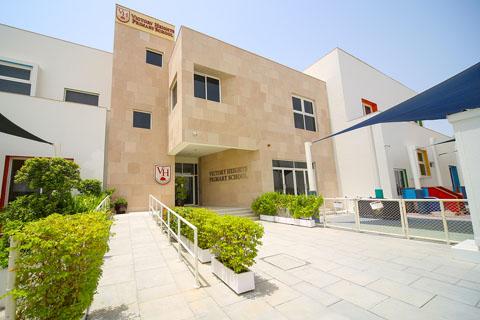
Victory Heights Primary School
Dubai Sports City, Dubai
Foundation Stage 1 (Nursery) to Year 6
39,000 to 53,500Yearly
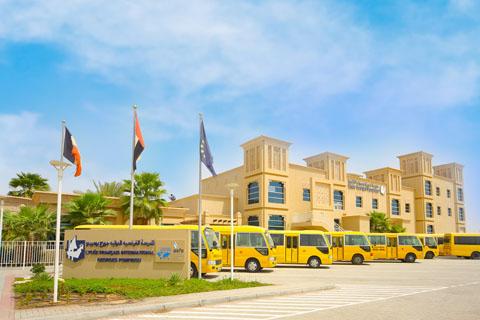
Lycee Francais International Georges Pompidou School (Oud Metha)
Oud Metha, Dubai
MS to GS
30,500 to 31,000Yearly
Gems Jumeira Primary School (Al Safa 1)
Al Safa First, Dubai
Foundation Stage 1 (Nursery) to Year 6
43,000 to 54,500Yearly
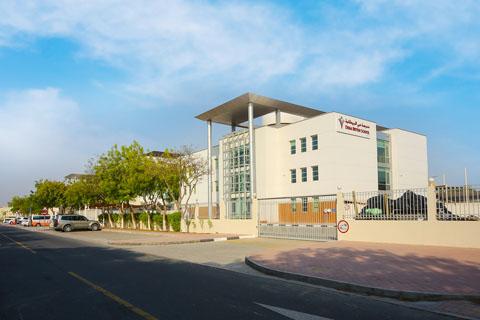
Dubai British School (Jumeirah Park)
Jumeirah Park, Dubai
Foundation Stage 1 (Nursery) to Year 13
44,500 to 109,500Yearly
Explore schools in Dubai by curriculum
British Curriculum
The most widely offered curriculum in Dubai, following the National Curriculum of England from EYFS through IGCSE and A-Levels. A natural fit for families moving to or from the UK, with options at every fee level.
View schoolsAmerican Curriculum
A flexible K-12 pathway based on US Common Core standards, with Advanced Placement courses and a High School Diploma. A strong choice in Dubai for families aiming at universities in the US and Canada.
View schoolsIB Curriculum
Dubai has one of the region's largest concentrations of IB schools, offering the PYP, MYP and Diploma Programme. An inquiry-based, globally recognised route ideal for Dubai's international families.
View schoolsIndian Curriculum
CBSE and ICSE schools with a strong STEM focus and Dubai's most affordable fees. The academic year runs from April to March, making transfers to and from India straightforward.
View schoolsChoosing a school in Dubai
Dubai's education sector is regulated by the Knowledge and Human Development Authority (KHDA), which inspects every private school and assigns a quality rating. With around 14 curriculums available, including British, American, Indian, IB, French, German and the UAE Ministry of Education curriculum, the emirate has one of the most diverse school markets in the world. The British curriculum is the most widely offered, at 87 schools, followed by American (38), Indian (34) and IB (21). Public schools are primarily reserved for UAE nationals and taught in Arabic, so the vast majority of expat families choose private schools with English-medium instruction. The sector continues to grow under Dubai's Education 33 (E33) Strategy, which targets 100 new private schools by 2033, with recent openings including Dubai British School Mira and GEMS School of Research and Innovation.
Tuition fees in Dubai range from AED 2,500 to AED 141,000 a year, depending on curriculum, KHDA rating and grade level. Indian CBSE schools are generally the most affordable, British schools span the widest range, and IB schools reach the top of the market. Fees rise as students move into higher grades, with the sharpest jump usually between primary and secondary. KHDA regulates annual fee increases through the Education Cost Index (ECI), which caps how much eligible for-profit schools can raise tuition. Beyond tuition, budget for registration, a deposit, uniforms, transport and devices, which can add 20 to 30 percent on top of base fees.
Every private school in Dubai is inspected by KHDA and rated Outstanding, Very Good, Good, Acceptable or Weak, across six performance standards covering student achievement, personal and social development, teaching, curriculum, protection and support, and leadership. 23 schools currently hold an Outstanding rating. KHDA publishes a full inspection report for every school on its website, so it is worth reading beyond the headline rating, as a school rated Good may have Outstanding provision in specific areas like wellbeing or teaching.
Start your search 8 to 12 months before your target start date, as Outstanding-rated British and IB schools often close applications by November for the following September. Begin by deciding which curriculum fits your family's long-term plans, then visit campuses in person to assess the environment, meet teachers and see how the school handles wellbeing and inclusion. Location matters in Dubai, where traffic can add hours to a daily commute, so a school within your community is practical. For 2026-27 admissions, note the new age cutoff: children who turn 3 by 31 December of the admission year are now eligible for Pre-K/FS1. Finally, talk to other parents, as word of mouth remains the most reliable signal of a school's day-to-day reality.
Popular areas for schools in Dubai
Proximity matters in Dubai, where choosing a school near home can save families up to two hours of daily commuting.
Al Barsha & Al Quoz
Dubai's education corridor and the highest concentration of schools in the emirate, with British, American and Indian options at every fee level and excellent transport links via Sheikh Zayed Road and the Metro. Top schools include GEMS campuses and Kings' School Al Barsha.
Arabian Ranches & Motor City
A family-focused villa community with spacious campuses and strong outdoor facilities, predominantly British and IB schools for established expat families. Top schools include JESS Arabian Ranches, Safa Community School and Nord Anglia International School.
Jumeirah & Al Safa
Home to some of Dubai's most established and prestigious schools, popular with long-term expat families seeking premium British options, plus several French and IB schools. Top schools include Dubai College, Jumeirah College and Dubai English Speaking School.
Dubai Silicon Oasis & Academic City
A growing cluster of newer campuses offering more affordable Indian, British and American options than central Dubai. Top schools include GEMS Wellington Academy DSO and several Indian schools.
Mirdif & Al Warqa
A well-established residential area with diverse mid-range options and a strong mix of Indian and British schools at competitive fees. Top schools include GEMS Our Own English High School, Uptown International School and Star International School.
JVC, Sports City & Dubai Hills
Some of Dubai's fastest-growing communities, with several new schools and competitive fees attracting young families. Top schools include Sunmarke School, JSS International and newer British and IB campuses.
Choosing a School in the UAE
Our complete parent guide: comparing curriculums, understanding inspection ratings and fees, admissions, school visits and more.
Not sure where to start?
Answer a few quick questions and we'll email you a personalised shortlist of schools in Dubai.
Take the 2-minute quizFrequently asked questions
Fees range from AED 2,500 a year for affordable Indian curriculum schools to AED 141,000 for premium IB programmes. British schools range widely and American schools sit in the middle. Fees increase by grade level, with the biggest jump typically between primary and secondary. KHDA caps annual increases through the Education Cost Index. Beyond tuition, budget for registration, uniforms, transport, devices and extracurriculars, which can add 20 to 30 percent.
KHDA inspects every private school across six performance standards: student achievement, personal and social development, teaching and assessment, curriculum, protection and support, and leadership. Schools receive one of five ratings, from Outstanding to Weak, and full inspection reports are published on the KHDA website. Currently 23 schools hold an Outstanding rating.
From the 2026-27 academic year, children can enter Pre-K/FS1 if they turn 3 by 31 December of the admission year, a change from the previous 31 August cutoff. KG1/FS2 requires turning 4 by 31 December, and Grade 1 requires turning 6 by 31 December. Many families also enrol children in nursery from age 1 to 2 before formal schooling.
Yes, but it requires planning. Schools assess grade equivalency and may place students in a different year group depending on the curriculum structure. A transfer certificate from the current school is mandatory and must be attested by the relevant education authority. Mid-year transfers may have limited seat availability, especially at popular schools.
Al Barsha and Al Quoz have the highest concentration, often called the education corridor. Other major clusters include Arabian Ranches, Jumeirah, Dubai Silicon Oasis, Mirdif and the newer communities of JVC, Dubai Hills and Sports City. Under the E33 Strategy, Dubai is targeting 100 new private schools by 2033.
You will need an Emirates ID for both the child and at least one parent, the child's passport, visa, birth certificate, and the last two years of school reports. If you are a new resident and your Emirates ID is being processed, most schools offer a provisional enrolment period and require the ID once issued.
A Good-rated school meets expected standards across all six KHDA performance areas. A Very Good school exceeds them, with stronger student outcomes, more effective teaching and better-developed support programmes. The full inspection report, not just the headline rating, is the best way to compare schools.
Most schools open admissions between October and February for the following September. Outstanding-rated schools and popular entry points such as FS1, Year 1 and Year 7 fill fastest, so applying 8 to 12 months ahead is recommended. For 2026-27, demand for FS2 places is particularly high due to the new age cutoff.
Some schools offer merit-based scholarships, sports scholarships and sibling discounts, more commonly at premium schools. Scholarships typically cover 10 to 50 percent of tuition. Many employers also provide education allowances. Contact school admissions directly, as scholarship availability is often not publicly advertised.
Yes, under specific conditions. Expat students can attend public schools if a parent works in a government sector, subject to an annual fee and merit-based acceptance. Public schools teach in Arabic with English as a second language. The vast majority of expat families choose private schools with English-medium instruction.
Find more schools across the UAE
Are you a school in Dubai?
Reach parents actively searching for schools on Schoolsery.