Nurseries in the UAE
There are more than 700 nurseries across the UAE, caring for children from as young as 45 days old up to school age. They follow a range of learning approaches, from EYFS and Montessori to Reggio Emilia, and are overseen by a mix of federal and emirate regulators. Dubai alone has over 300 early childhood centres, the largest early years market in the country. Whether you know your emirate or are still choosing where to settle, this page helps you find a nursery that fits your child and your routine.
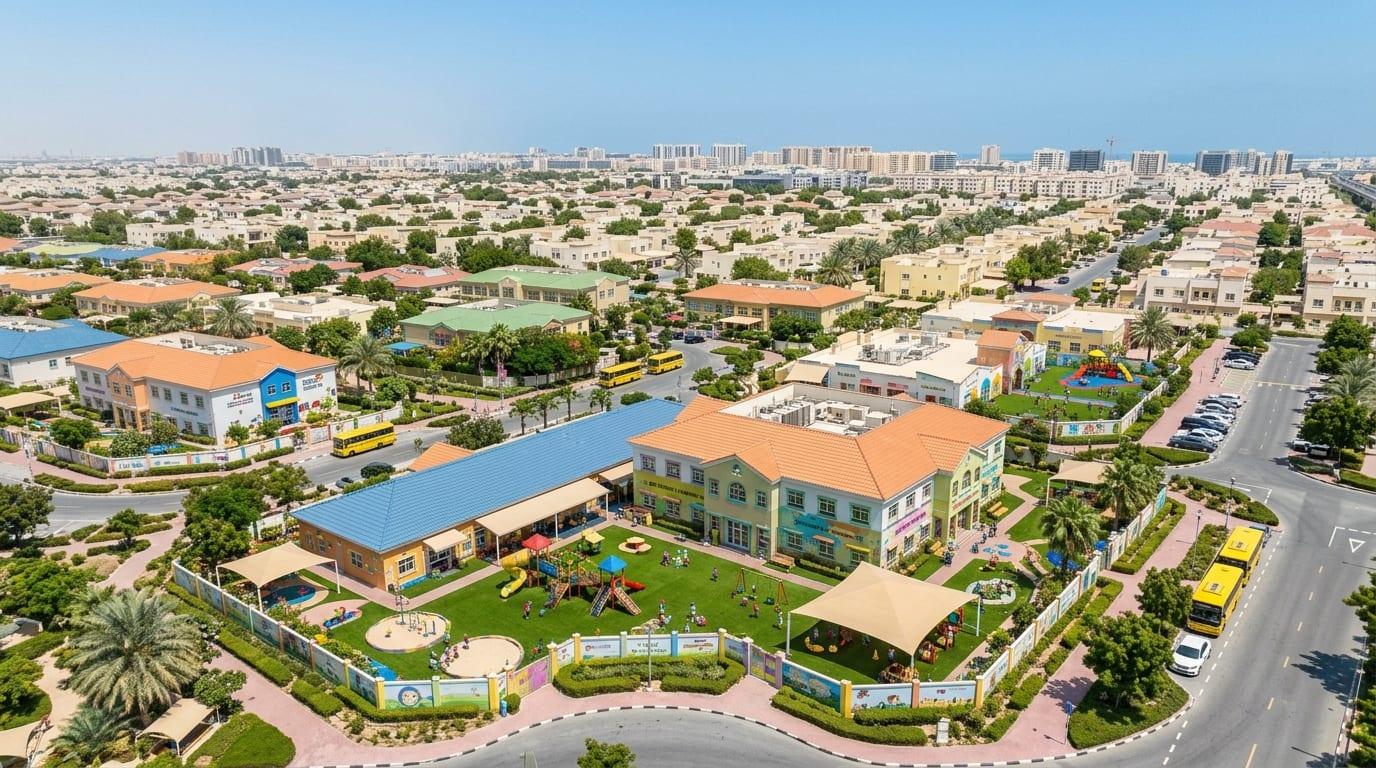
Featured nurseries across the UAE
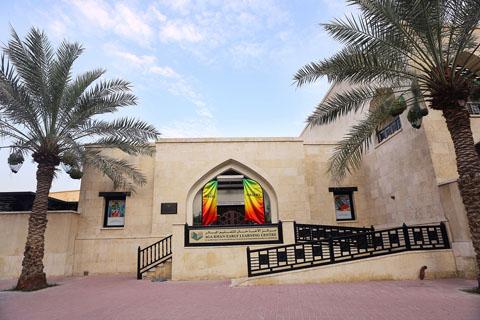
Aga Khan Early Learning Centre
Oud Metha, Dubai
Foundation Stage 1 (Nursery) to Foundation Stage 2 (Reception)
8,500 to 13,000Yearly

Al Ain Juniors Nursery
Central District, Al Ain
Foundation Stage 1 (Nursery) to Foundation Stage 2 (Reception)
17,000 to 17,000Yearly

Al Barashi Nursery
Eastern Region - Khorfakkan - Al Yarmouk, Sharjah
Foundation Stage 1 (Nursery) to Foundation Stage 2 (Reception)
19,500 to 22,000Yearly

Al Butin Nursery
Al Bateen, Abu Dhabi
Foundation Stage 1 (Nursery) to Foundation Stage 2 (Reception)
39,500 to 39,500Yearly

Al Dana Nursery
Nadd Al Hamar, Dubai
Foundation Stage 1 (Nursery) to Foundation Stage 2 (Reception)
20,000 to 30,000Yearly

Al Dana Nursery (Al Mushrif)
Al Mushrif, Abu Dhabi
Foundation Stage 1 (Nursery) to Foundation Stage 2 (Reception)
29,000 to 29,000Yearly

Al Dana Nursery (Al Sarouj)
Al Sarouj, Al Ain
Foundation Stage 1 (Nursery) to Foundation Stage 2 (Reception)
29,000 to 29,000Yearly
Choose a nursery near home or near work
Nursery places in the UAE are open to families wherever they live, so many parents pick one close to their workplace or on the route there. A short, calm drop-off often matters as much to a young child's day as the setting itself.
Browse nurseries by city
Dubai
287 nurseries
The country's largest early years market by far, so most families find their preferred approach within a short drive. EYFS is the most common, alongside Montessori and Reggio-inspired settings.
Abu Dhabi
165 nurseries
Regulated by ADEK, which sets detailed early years standards and licenses nurseries across the capital. The emirate also runs Al Ghad nurseries, free for the children of Emirati working mothers.
Al Ain
44 nurseries
A calmer inland city where ADEK applies the same early years standards as the capital. A good option for families wanting a more relaxed pace close to nature.
Sharjah
149 nurseries
SPEA oversees a large mix of private and government nurseries, and the Sharjah Education Academy admitted more than 2,500 children for 2025-26. A strong choice for families commuting to Dubai.
Ajman
15 nurseries
Overseen federally by the Ministry of Education, Ajman offers a compact set of nurseries at accessible fees, popular with families across the northern emirates.
Ras Al Khaimah
20 nurseries
Regulated by RAKDOK, RAK's nurseries serve a growing community of families moving north for space and value, with a friendly, close-knit feel.
Fujairah
11 nurseries
On the east coast and overseen by the Ministry of Education, Fujairah's nurseries offer a smaller, community-focused choice for local and expatriate families.
Umm Al Quwain
5 nurseries
A quiet coastal city overseen federally by the Ministry of Education, with a small, close-knit set of nurseries within easy reach of Ajman and Sharjah.
Browse nurseries by learning approach
EYFS
The most common approach in the UAE. The English Early Years Foundation Stage balances structured learning with play across seven areas of development and leads naturally into British-curriculum schools. Suits families who want clear milestones and a smooth path into an EYFS or British primary.
View nurseriesMontessori
Child-led and independent. A well-established approach built on self-directed activity, mixed-age rooms and carefully prepared materials, where children choose their own work within gentle boundaries. Suits independent, self-motivated children and parents who value calm, focused, hands-on learning.
View nurseriesReggio Emilia
Creative and project-based. An Italian-born approach that treats children as capable and curious, learning through long-running projects, art and exploration, with the environment as a third teacher. Suits expressive, imaginative children who thrive when they can follow their interests.
View nurseriesUnderstanding nurseries in the UAE
Early childhood is a growing priority across the UAE, and the sector is now overseen by a clear national framework. Federal Decree-Law No. 51 of 2022 defines a child as being from one day to four years old and sets the standards for licensing, safety and staffing that nurseries must meet. National oversight sits with the Federal Authority for Early Education (FAEE), while each emirate's regulator handles day-to-day licensing: KHDA in Dubai, ADEK in Abu Dhabi and Al Ain, SPEA in Sharjah, RAKDOK in Ras Al Khaimah and the Ministry of Education elsewhere. The scale is significant, with Dubai alone home to over 300 early childhood centres, and more than 700 nurseries nationwide. Most follow international approaches such as EYFS, Montessori and Reggio Emilia, and many feed into a particular school curriculum.
Unlike school fees, nursery fees in the UAE are not capped by regulators. Dubai's KHDA, for example, sets no cost index for nurseries as it does for schools, so pricing varies more from one setting to the next. In Dubai, fees broadly fall into three tiers: accessible (about AED 12,000 to 25,000 a year), mid-market (AED 25,000 to 45,000) and premium (AED 45,000 to 60,000 and up). Full-day places typically run around AED 2,500 to 8,000 a month. The northern emirates tend to be more affordable than Dubai and Abu Dhabi city. Part-time and half-day options can cut costs noticeably, and several government-funded programmes offer free or subsidised places, including Abu Dhabi's Al Ghad nurseries for the children of Emirati working mothers and the Sharjah Education Academy. Always check what the fee includes, as meals, nappies and transport are sometimes extra.
Nurseries are not yet graded the way schools are. KHDA introduced an Early Childhood Quality Framework in November 2025, built around five areas (learning and curriculum, partnerships, environments, health and safeguarding, and leadership) but for now it is a self-assessment tool, so no public nursery ratings have been produced. ADEK carries out compliance audits in Abu Dhabi, and SPEA reviews settings in Sharjah, but again these do not translate into a single star grade. That makes your own visit the most important check. Look at staff-to-child ratios, how warm and settled the rooms feel, safeguarding and hygiene, outdoor space, and how staff talk to the children. Ask about caregiver turnover and training, and how the nursery handles settling-in and daily updates.
Nurseries in the UAE take children from a very young age, from around 45 days old, up to around four years, when most move on to a school's foundation stage. From 2026-27 the country is adopting a single 31 December age cutoff for school entry, so a child generally needs to turn 3 by 31 December to start FS1 and 4 to start KG1. That makes the nursery years a natural time to begin looking at schools, since popular foundation-stage places fill early. Many families start their school search while their child is still in nursery, around 9 to 12 months ahead. Gather the documents you will need, including passport, Emirates ID, visa, vaccination records and any nursery reports, so you are ready to apply.
Because infant rooms are small and ratios are tight, popular nurseries can carry waiting lists, so it pays to register early, often several months before you need a place and earlier still for under-ones. Start by deciding what you need: full-day or part-time, a particular learning approach, and a location near home or work. Draw up a shortlist and visit each one, ideally during a busy part of the day so you can see it in full swing. Ask about the settling-in period, as a gentle, staged start helps young children adjust. Check the minimum age, opening hours, meals and what happens if your child is unwell. Schoolsery lets you compare nurseries across the emirates in one place, so you can weigh fees, approach and location side by side.
EYFS, Montessori or Reggio?
Understand the main early years approaches and which one suits your child.
What to look for on a nursery visit
Know the signs of a great early years setting before you enrol your child.
Frequently asked questions
Start a few months before you need a place, and earlier for babies, as infant rooms are small and often have waiting lists. Many parents register while on maternity leave. Decide first whether you want full-day or part-time care, a particular learning approach, and a location near home or work, then visit your shortlist before choosing. Beginning early gives you the widest choice and time to settle your child in gently.
Nursery fees are not capped by regulators, so they vary from setting to setting. In Dubai they broadly fall into accessible (about AED 12,000 to 25,000 a year), mid-market and premium tiers, with full-day places often AED 2,500 to 8,000 a month. The northern emirates such as Ajman, Ras Al Khaimah and Fujairah tend to be more affordable than Dubai and Abu Dhabi city. Part-time places and government-funded programmes can lower costs further.
Nurseries are licensed and monitored, but they are not yet given public star ratings like schools. KHDA introduced an Early Childhood Quality Framework in Dubai in November 2025, though for now it is a self-assessment tool with no published grades. ADEK runs compliance audits in Abu Dhabi and SPEA reviews settings in Sharjah. Because there is no single rating, your own visit, checking ratios, safety and how settled the children seem, matters most.
Nurseries in the UAE take children from very young, typically from around 45 days old, though each nursery sets its own youngest-age policy. Children usually stay until around four, when they move up to a school's foundation stage. Check the minimum age when you enquire, especially if you need an infant place.
Yes, several programmes offer free or subsidised places. Abu Dhabi's Al Ghad nurseries provide free care for the children of Emirati working mothers across ten locations, with plans to expand. The Sharjah Education Academy admitted more than 2,500 children for 2025-26 and is growing its network. Abu Dhabi's Al Saff Al Emirati programme places Emirati educators in private nurseries to teach Arabic and heritage. Availability and eligibility vary, so check the specific programme.
EYFS, the English Early Years Foundation Stage, is the most common approach in the UAE and balances structured learning with play across defined areas of development, leading smoothly into British-curriculum schools. Montessori is more child-led, with mixed-age rooms, self-directed activity and specific hands-on materials. EYFS suits families who like clear milestones; Montessori suits independent children and parents drawn to calm, self-paced learning. Many nurseries blend elements of both.
Ratios are set to keep the youngest children most closely supervised. As a guide, they run at about one adult to three children under 12 months, one to five for 12 to 24 months, one to eight for two- to three-year-olds, and roughly one to ten to fifteen for three- to four-year-olds depending on the setting. Nurseries must also meet space rules, a minimum of 2.3 square metres indoors per child plus outdoor space, on the ground floor. Ask each nursery about its actual ratios.
Nurseries operate under Federal Decree-Law No. 51 of 2022 and their emirate regulator's rules, covering staffing, hygiene, safeguarding and premises. They must meet space standards, at least 2.3 square metres indoors per child and around 4 square metres of outdoor space, and operate on the ground floor. Most ask for up-to-date vaccination records before your child starts. On a visit, look at cleanliness, secure entry, nappy-changing and food areas, and how staff manage illness and emergencies.
Yes. Nursery places are not tied to your residential emirate, so you can choose one near your workplace or on your commute rather than only near home. Many parents in Sharjah or Ajman, for instance, use a nursery in Dubai close to work. For a young child, a short and settled journey often matters most, so weigh the daily travel alongside the setting itself.
Most children move up to a school's foundation stage at around three to four years old. From 2026-27 the UAE uses a 31 December age cutoff, so a child generally needs to turn 3 by 31 December to start FS1. Begin your school search around 9 to 12 months ahead, as popular foundation places fill early, and gather documents such as passport, Emirates ID, visa, vaccination records and nursery reports. A gradual settling-in helps your child adjust to big school.
Looking for a school instead?
Are you a nursery in the UAE?
Claim your profile to reach parents actively searching and comparing nurseries on Schoolsery.