Indian Schools in Dubai
Dubai has 34+ Indian curriculum schools, predominantly following the CBSE board with a smaller number offering ICSE. Regulated by the Knowledge and Human Development Authority (KHDA), these schools deliver academically focused education at some of the most accessible fee points in the city.
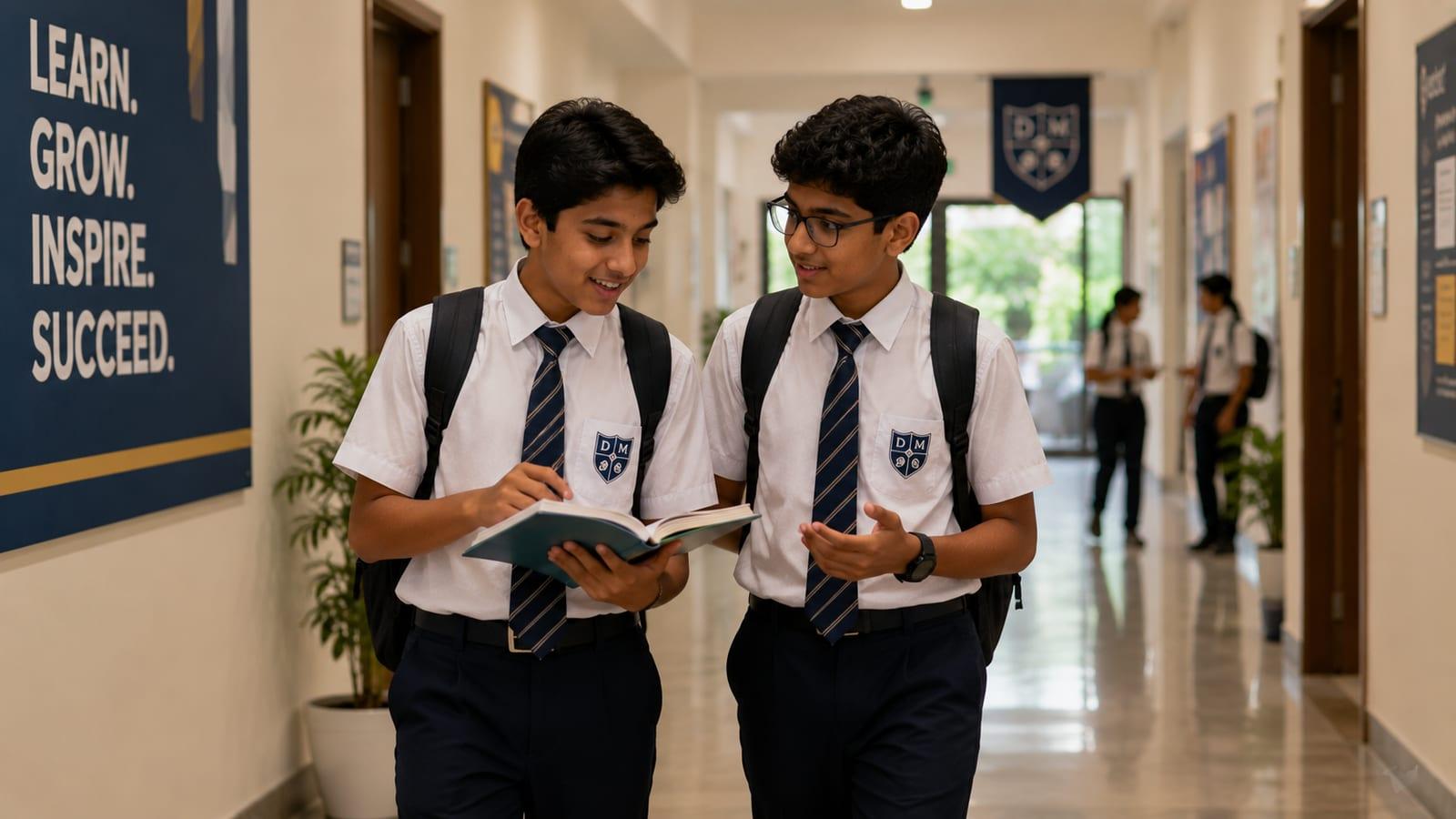
Top-rated Indian schools in Dubai
The highest-rated Indian curriculum schools in Dubai based on their latest KHDA inspection.
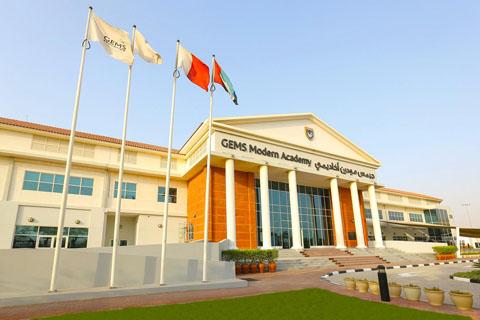
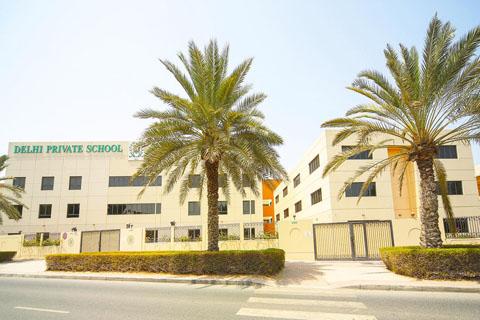
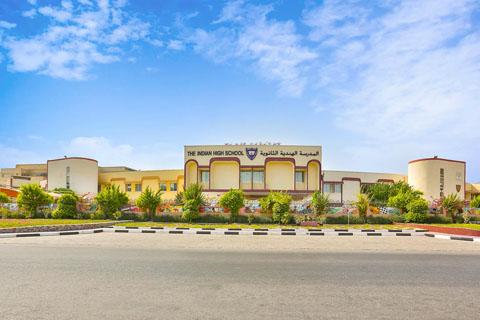
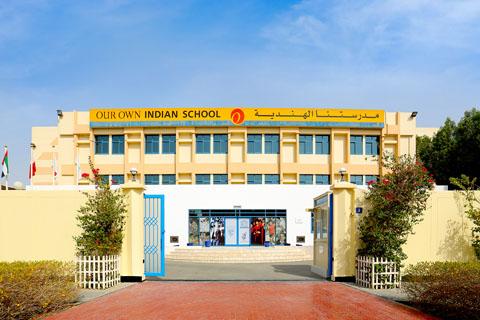
Best value & affordable Indian schools in Dubai
Indian schools rated Good or above with starting fees under AED 25,000 a year.
Indian curriculum structure
Primary
Ages 6-10
Classes 1-5, building core literacy and numeracy.
Upper Primary
Ages 10-13
Classes 6-8, broadening subjects ahead of the board exam years.
Secondary
Ages 13-16
Classes 9-10, leading to CBSE or ICSE board exams at Class 10.
Senior Secondary
Ages 16-18
Classes 11-12, stream selection and Class 12 board exams.
About Indian schools in Dubai
Dubai's 34 Indian curriculum schools serve the city's large South Asian expat community and are among the most established international school communities in the emirate. The majority are CBSE schools, following the Central Board of Secondary Education syllabus set by the NCERT in India, while a smaller number offer the Indian Certificate of Secondary Education (ICSE) through the CISCE board. CBSE schools emphasise mathematics and science as core strengths, structured around a standardised national syllabus, while ICSE schools offer a broader, more literature-heavy curriculum. All Indian schools in Dubai integrate mandatory Arabic language instruction, Islamic Studies for Muslim students and UAE Social Studies as required by KHDA. Schools maintain formal affiliation with their respective boards in India. The academic year follows the Indian calendar, running from April to March, a key difference from the September start used by Western curriculum schools. Many campuses accommodate large student populations, which helps keep operational costs and fees low.
One of the biggest draws of the Indian curriculum in Dubai is affordability. Annual fees range from AED 2K to 73K, though most schools sit well below that ceiling, well within reach for most families. Fees increase gradually from primary through senior secondary, with the most noticeable jump at Class 11 when students choose their stream (Science, Commerce or Humanities). KHDA regulates annual fee increases for all Dubai private schools, so parents will not face unexpected hikes. Beyond tuition, it is worth budgeting for registration fees, textbook costs, exam registration fees for CBSE or ICSE board exams, and any charges for transport or extracurricular activities. Compared to British and American schools in Dubai, Indian schools operate at considerably lower fee points while maintaining strong academic outcomes.
KHDA inspects every private school in Dubai annually. Among the 34 Indian schools, KHDA rates 1 Outstanding, with a further group rated Very Good, the majority rated Good, and the remainder Acceptable or newly opened. Several heritage Indian schools in Dubai have maintained Very Good and Outstanding ratings for multiple consecutive inspection cycles, reflecting the quality and consistency of their academic programmes despite operating at lower fee structures. Full KHDA inspection reports are published online and are a valuable reference for parents.
Dubai has both CBSE and ICSE schools, so an Indian-curriculum student here finishes with either a CBSE or a CISCE Class 12 certificate, awarded after the Class 10 and Class 12 board examinations that are set and graded in India. That Class 12 result is the figure universities look at first. CBSE's science and mathematics focus lines up closely with India's entrance tests, JEE for engineering, NEET for medicine and CUET for the central universities, while ICSE's broader, more language-heavy syllabus tends to suit humanities and commerce applicants. Both boards are recognised well beyond India, including by universities in the UK, Canada and Australia, and US-bound students usually add an SAT score. One change worth building into your planning: CBSE is moving toward competency-based questions and, from 2026, two Class 10 board sittings a year, which reshapes how families approach exam preparation.
Because Dubai's Indian schools include some of the city's longest-established and highest-demand campuses, the well-rated ones can close early. Most open applications between October and January for the April start, and heritage schools frequently run waitlists. Families usually join at the start of the primary phase (Class 1, around age six), at Class 6 as upper primary begins, or at Class 11 when the Science, Commerce or Humanities stream is chosen. Schools ask for the child's passport, Emirates ID and visa copies, report cards from the previous two years, immunisation records, photographs and, for any board-affiliated school, a properly attested transfer certificate. Moving in from a British or American school is cleanest before the board cycle starts, so the end of Class 5 or Class 8 are the easier switch points; the April-to-March calendar and the different mathematics and science sequence make a mid-board-year move harder. One date to confirm with the school: the UAE moves to a 31 December age cut-off from 2026-27, while Indian boards have long used 31 March.
Comparing curriculums in the UAE
Compare the British, American, IB and Indian curriculums: fees, structure, exams and which pathway is right for your child.
Not sure where to start?
Answer a few quick questions and we'll email you a personalised shortlist of schools in Dubai.
Take the 2-minute quizFrequently asked questions
Annual fees range from AED 2K to 73K, though most schools sit well below that ceiling. Fees increase from primary to senior secondary, with the most notable jump at Class 11. KHDA regulates all fee increases across private schools in Dubai.
CBSE follows a standardised NCERT syllabus with a strong emphasis on mathematics and science. ICSE offers a broader syllabus with greater depth in English literature and humanities. Both boards conduct external board exams at Class 10 and Class 12. Most Indian schools in Dubai follow CBSE.
Indian schools run on India's April-to-March year, so the first term opens in spring rather than the September start that British, American and IB schools share. Families moving between systems need to plan around that offset.
KHDA rates 1 of Dubai's Indian schools Outstanding, with more rated Very Good, a strong performance relative to the sector's accessible fee levels. KHDA publishes inspection reports for every school on its website.
Yes, though the timing needs careful planning due to the April start date and differences in curriculum sequencing, particularly in maths and sciences. Transfers are easiest at the end of Class 5 or Class 8, before board exam preparation begins in Class 9.
Students sit external board examinations at the end of Class 10 and Class 12. These exams are set and graded by the CBSE or ICSE boards in India. Results determine university eligibility, particularly for competitive entrance exams like JEE and NEET.
Yes. CBSE and ICSE qualifications are accepted by universities across the UAE, UK, Canada, Australia and other countries. Some US universities may request supplementary SAT scores alongside board results.
CBSE Global is a new curriculum variant designed specifically for schools operating outside India. It is being introduced from April 2026 and adapts the existing CBSE framework to better suit the needs of international student populations while maintaining board exam recognition.
It depends on the timing. The most natural switch points are at the end of Class 5 or Class 8, before board exam preparation begins. Switching mid-secondary (Class 9 or 10) is more difficult because the CBSE syllabus is structured differently, especially in mathematics and sciences. The April-to-March calendar also means your child may need to adjust to a different academic year cycle.
While Indian schools are known for their academic rigour, most campuses in Dubai offer a range of extracurricular activities including sports, arts, music and clubs. The breadth of offerings varies by school and often correlates with the fee level and campus size. It is worth visiting schools to see their facilities and programme range first-hand.
Families planning to study or work in the UAE should factor in the Ministry of Education equivalency certificate, which equates the CBSE or ICSE Class 12 certificate to the UAE secondary certificate. Attested board mark sheets are required, so it helps to keep certified copies once results are released. Indian universities accept the board result directly.
Find more schools across the UAE
Other curriculums in Dubai
Indian schools in other cities
Are you an Indian school in Dubai?
Reach parents actively searching for Indian schools on Schoolsery.