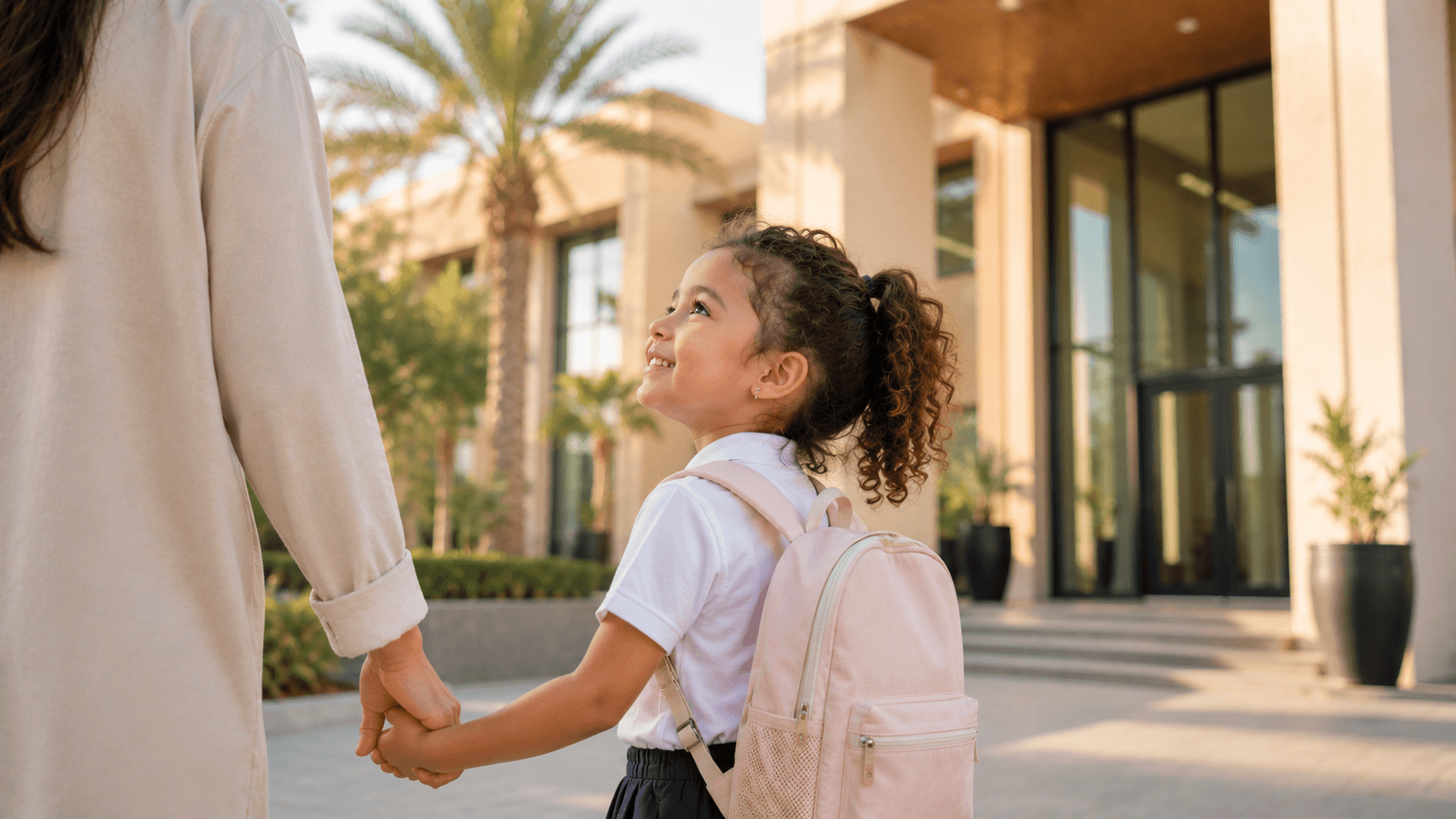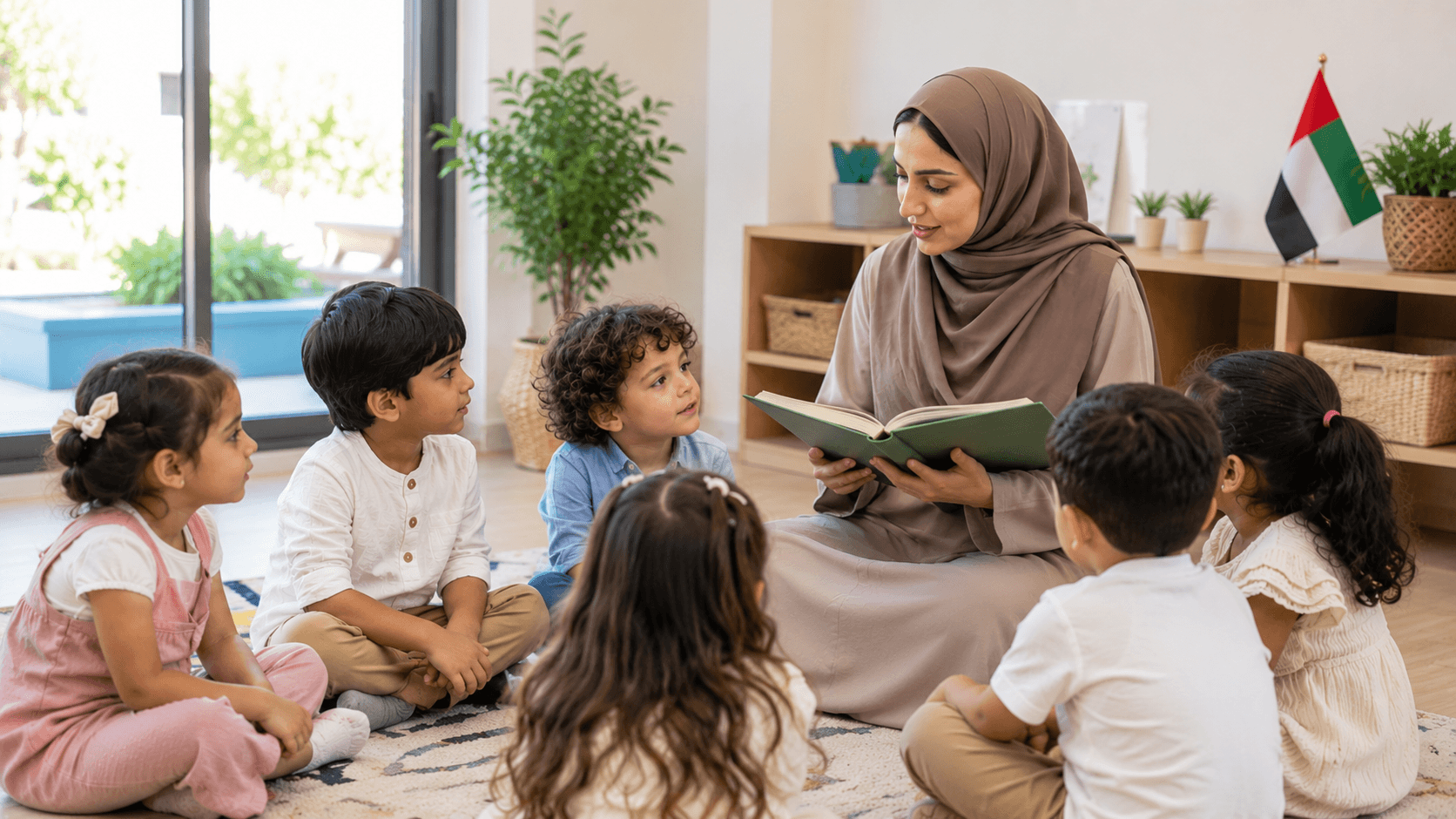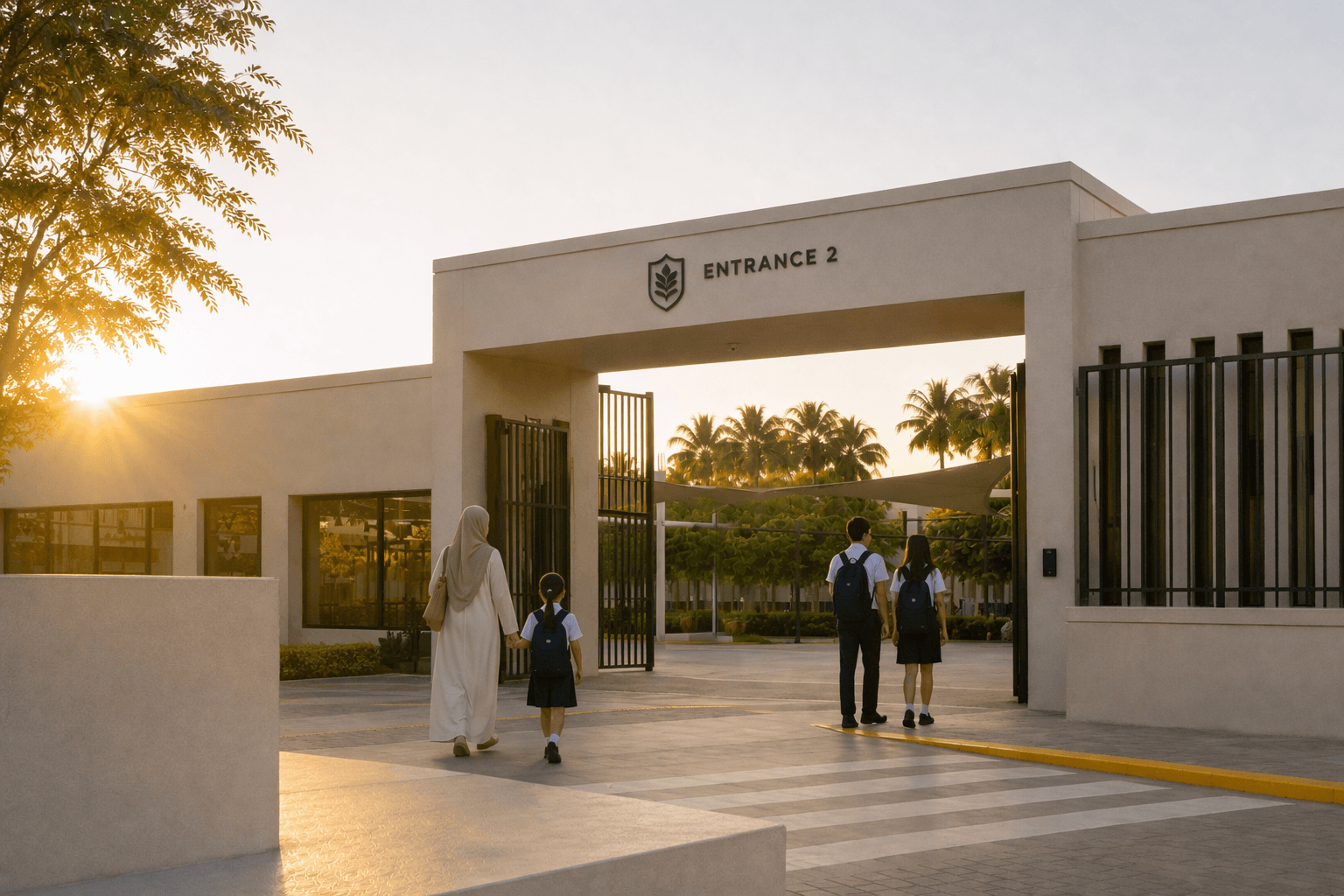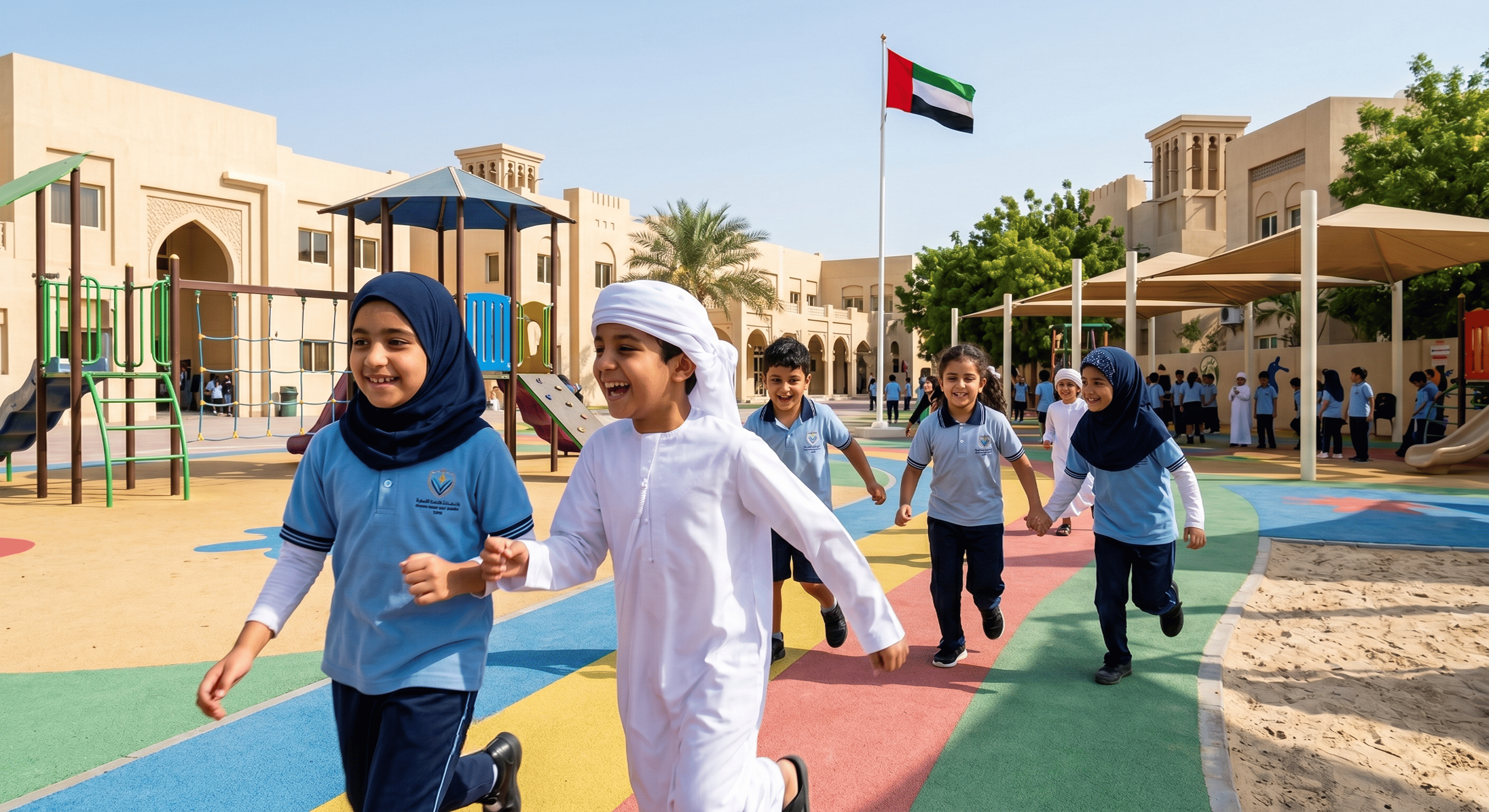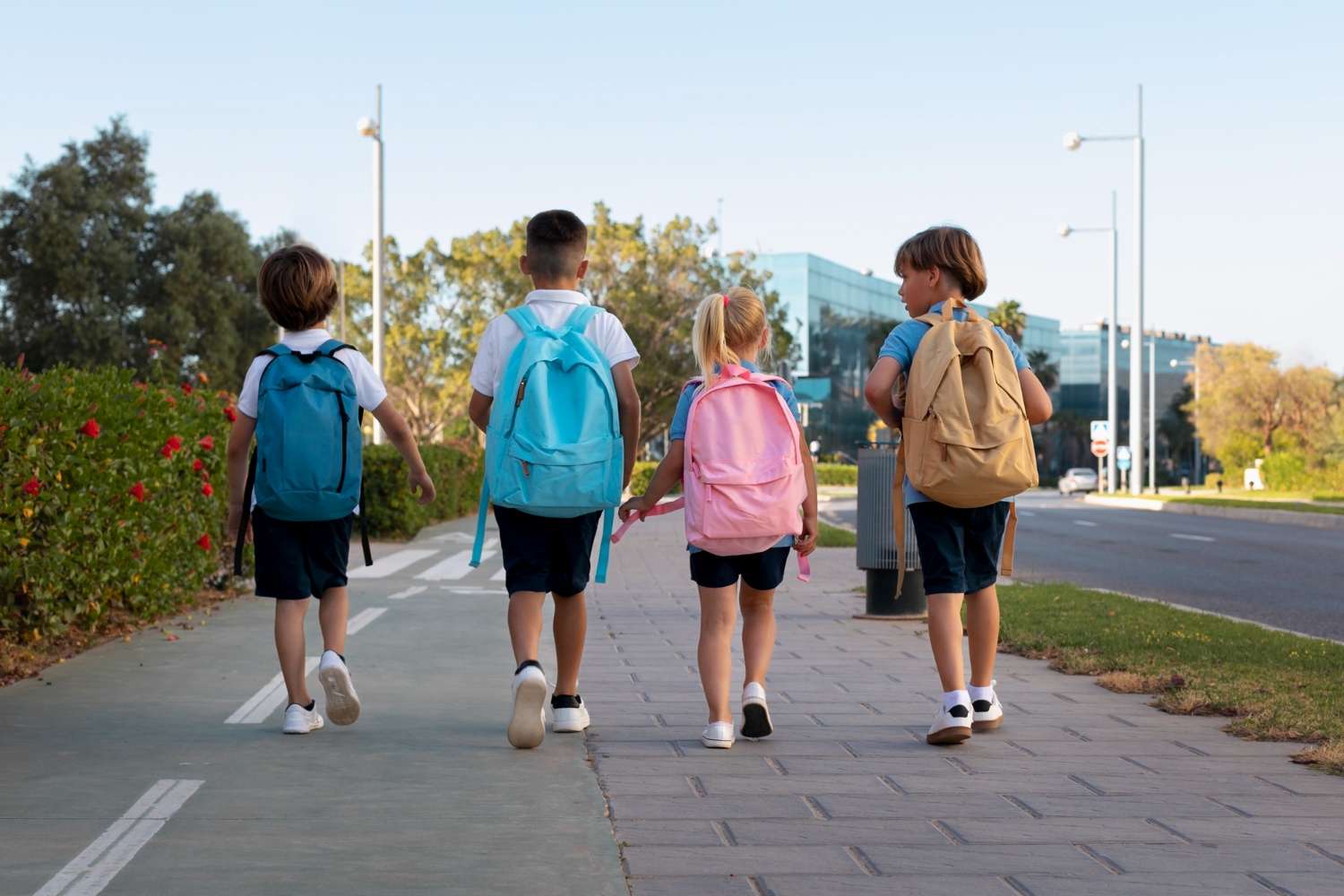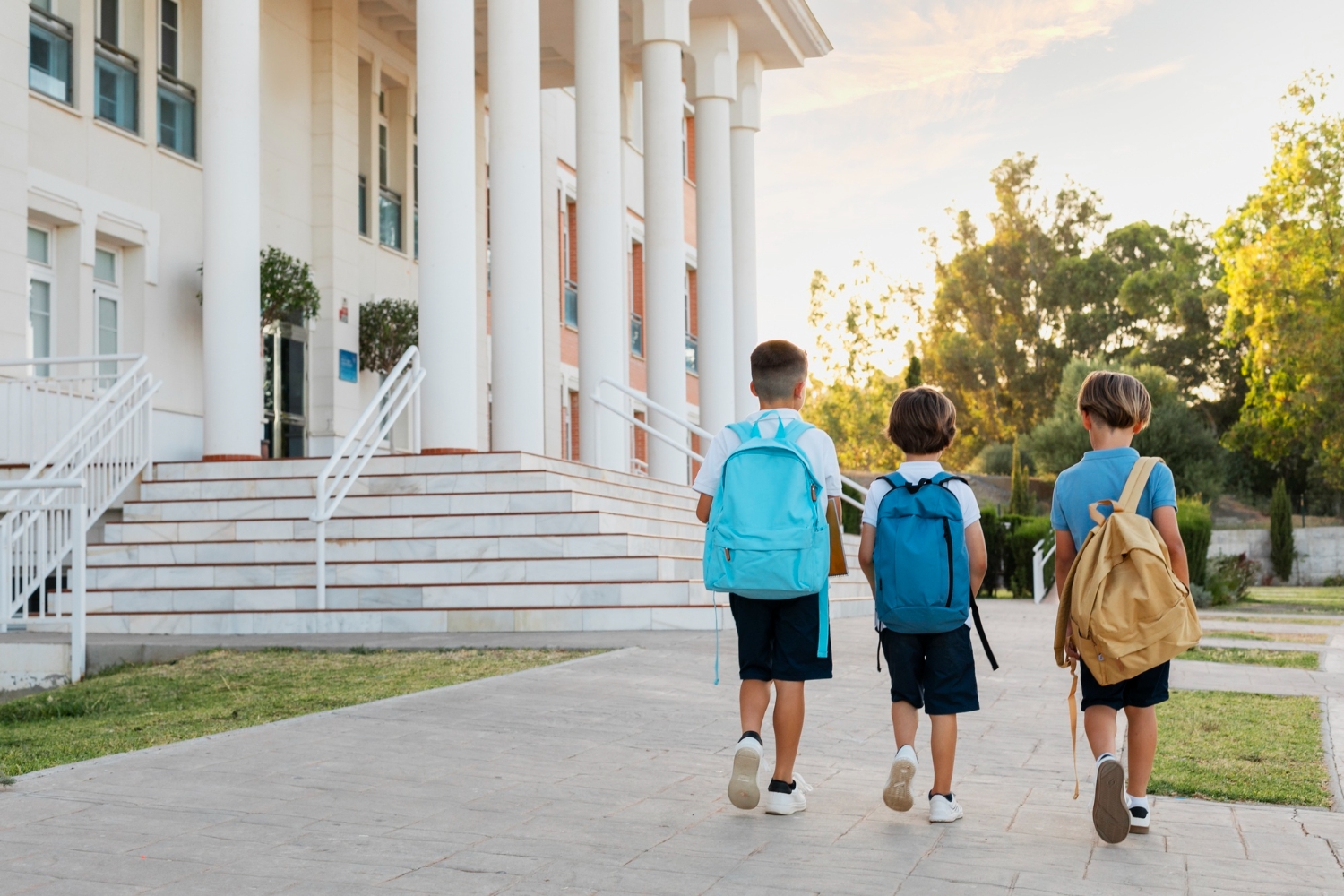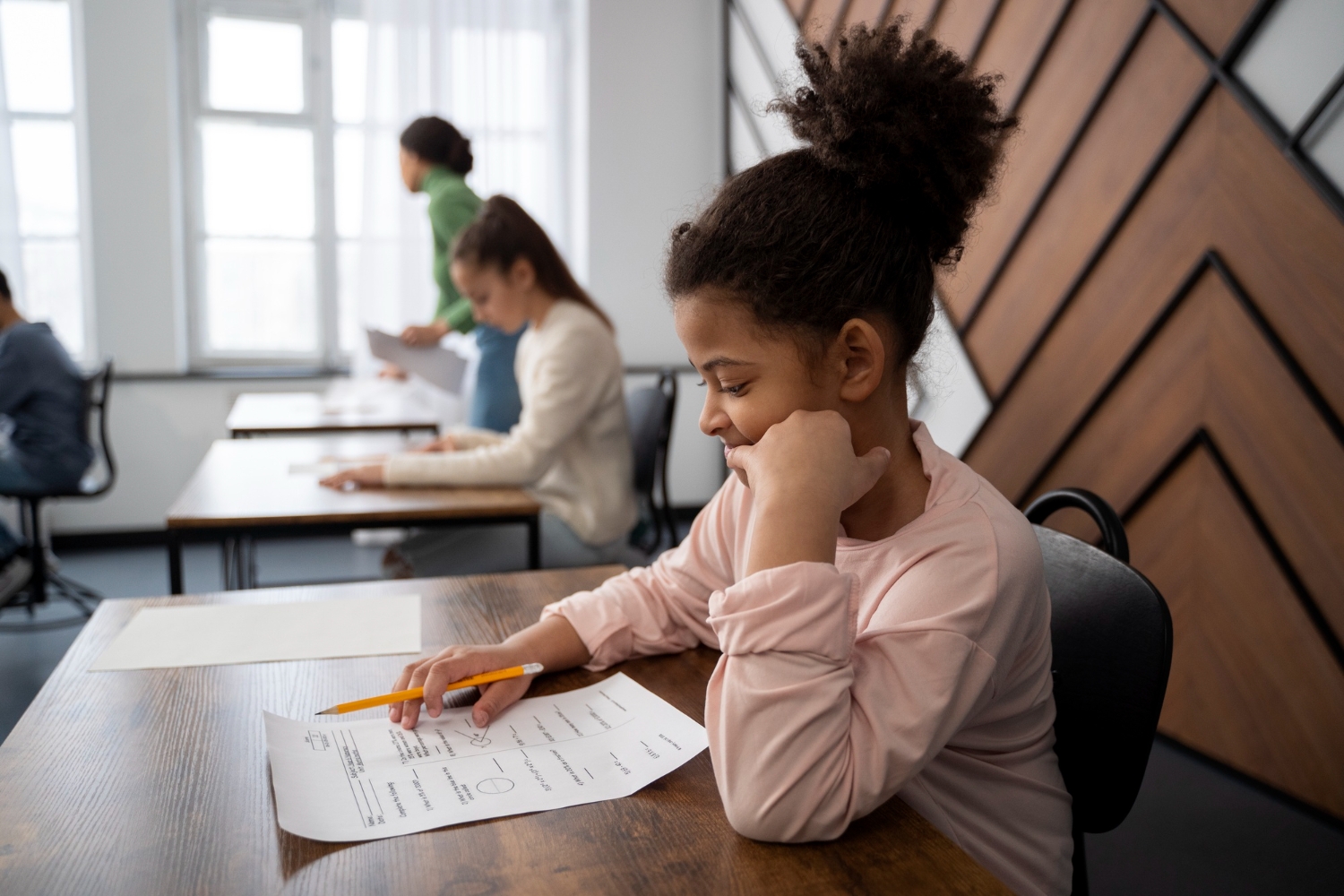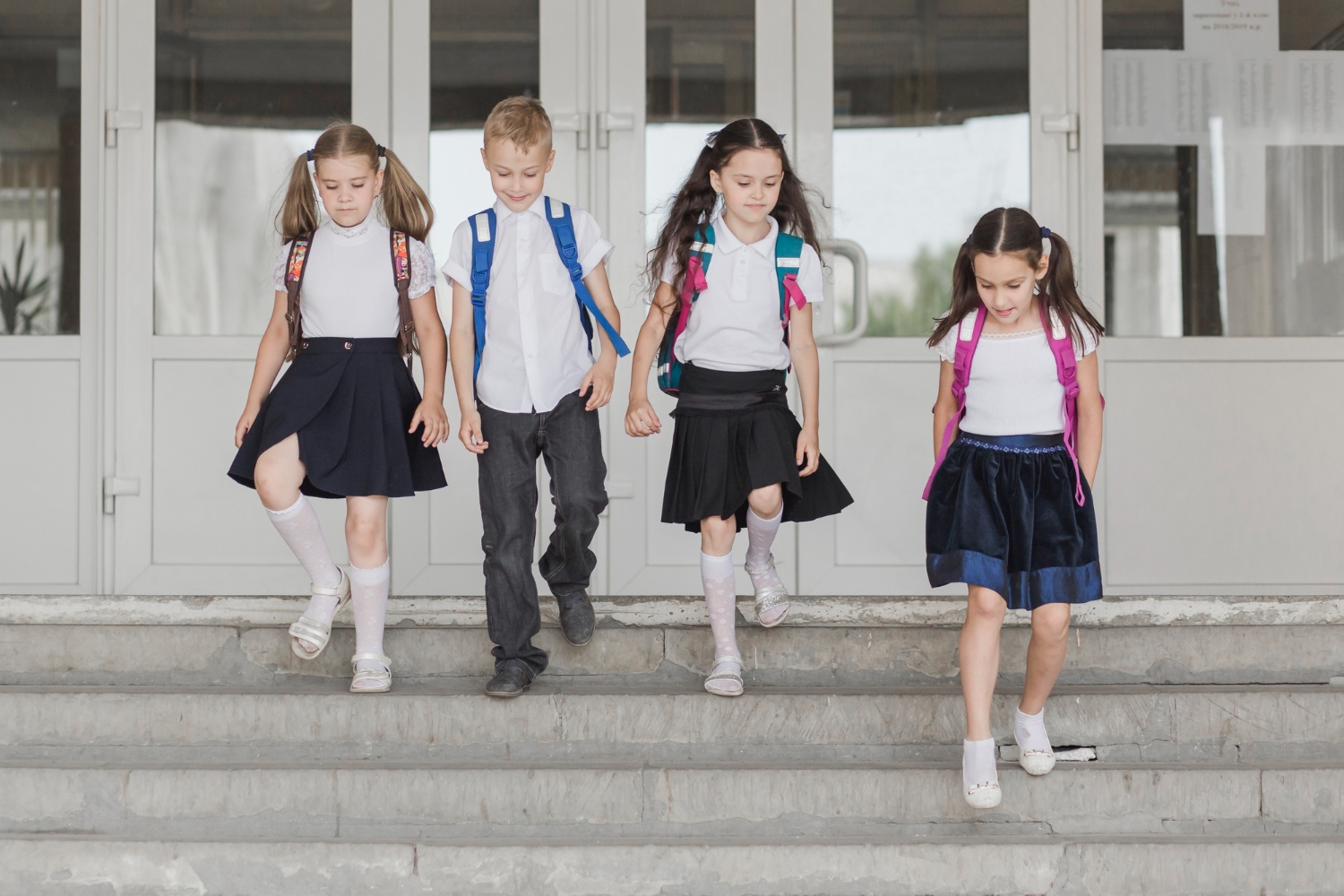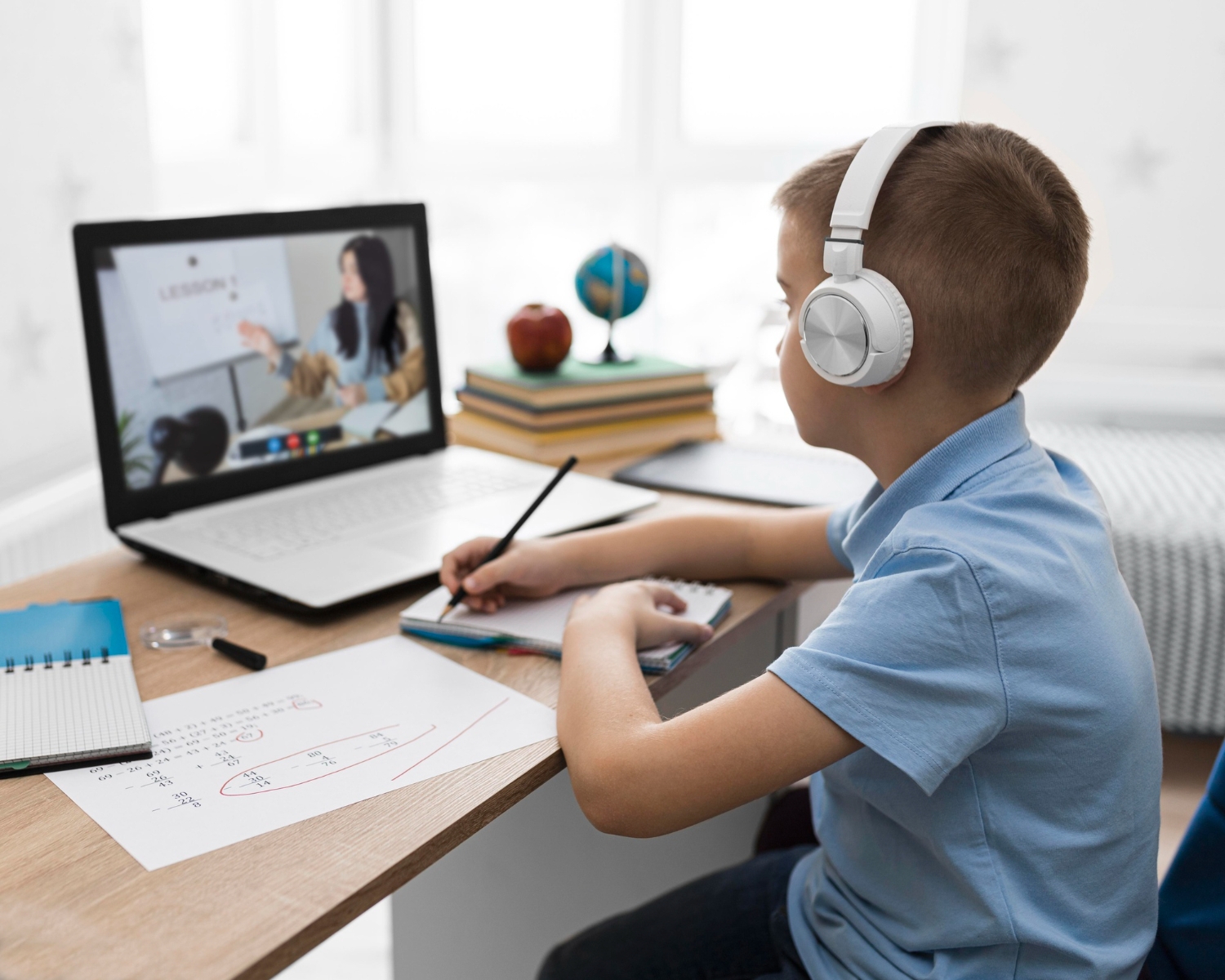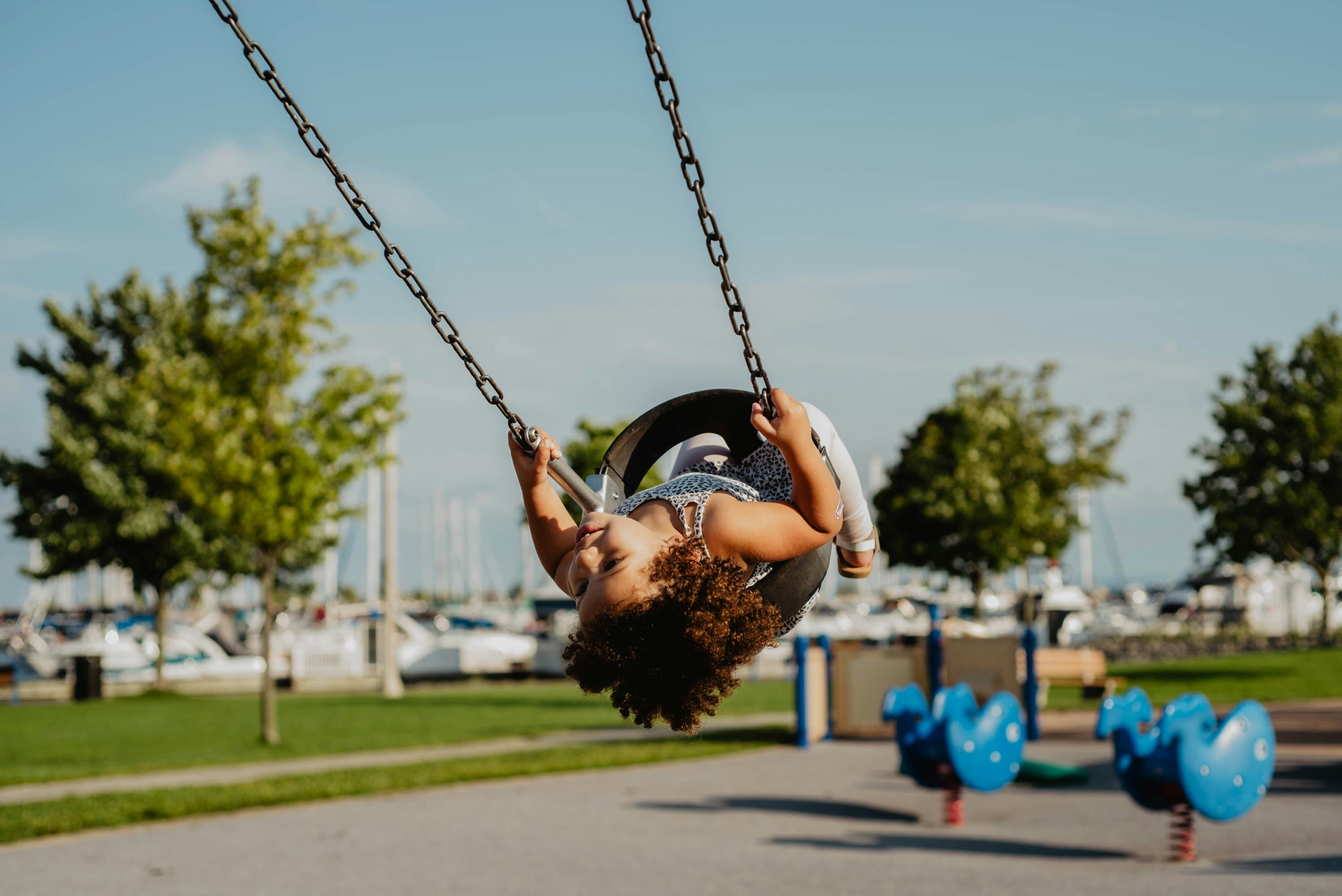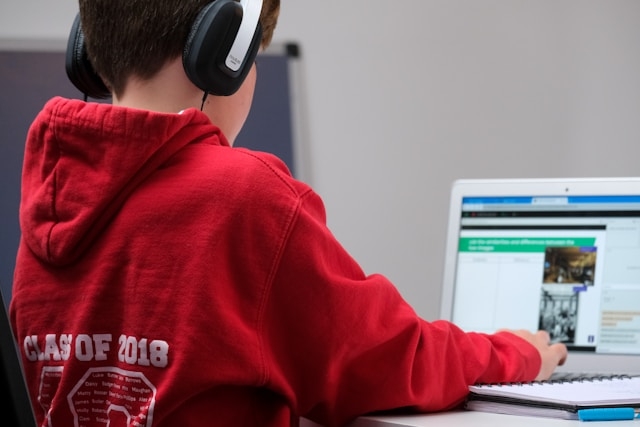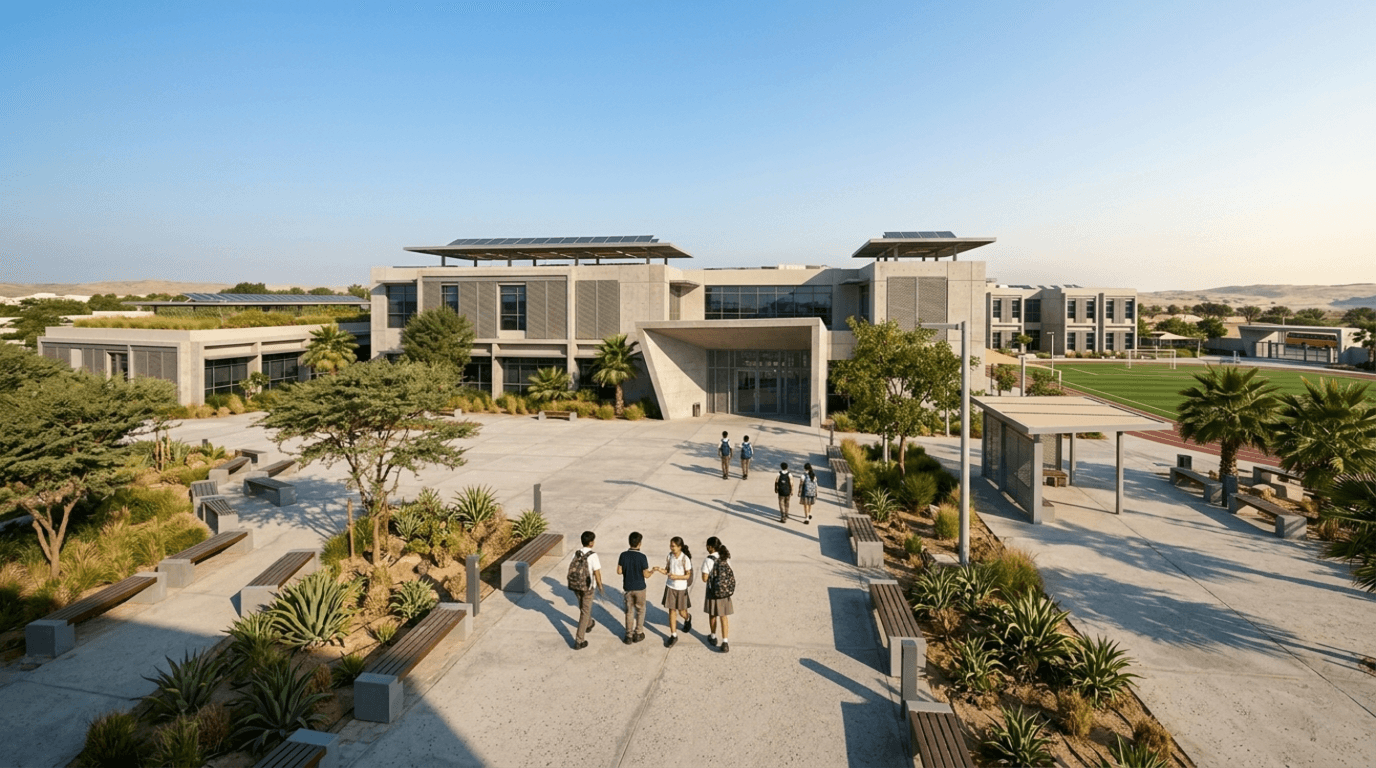
The first week back at in-person school after a stretch at home rarely feels tidy. For families across the UAE, children have returned to classrooms after several weeks of distance learning, and the rhythms of a full school day take a little time to reassemble. Phased bus services, safety drills on the first day of term, and the quiet adjustment from the kitchen table to the classroom desk all arrive at once.
Most children will settle within two to three weeks. The parents who help most are usually not the ones with the longest speeches or the fullest schedules. They are the ones who hold the framework steady (sleep, food, conversation, calm) while letting the child do the emotional and social work at their own pace.
Three fronts matter, and each asks a slightly different thing from the home.
The Emotional Return
A child who seems fine on the surface may still be carrying more than usual this month. Younger children tend to translate worry into the body: stomach aches, headaches, a sudden dislike of breakfast, clinginess at drop-off. Primary-aged children more often turn irritable, or lose focus on things they used to enjoy. Teenagers go quiet, spend longer in their room, or push back on uniform and bag-packing the night before.
None of that is unusual in the first fortnight back. What helps most is not reassurance. It is permission to feel unsettled without being rushed out of it. A simple "I know that's hard, and I know you can handle this" lands better than a list of reasons school will be fine.
Two small habits make a disproportionate difference. First, swap "How was your day?" for "What was the best and hardest part of today?", because open questions invite a real answer. Second, keep the school-gate goodbye short and predictable. A long, emotional farewell tends to heighten separation rather than ease it.
Children absorb calm from the adults around them more than from anything the adults actually say. If the grown-ups at home are settled about the return, most children will be too.
The Social Return
Time away from a classroom quietly erodes the habits that make in-person friendship easy: turn-taking, reading a room, finding a seat at break, the small skill of idle conversation in a corridor. None of this is lost, but it takes a week or two to come back online.
UAE classrooms are, in this respect, unusual in a useful way. With more than two hundred nationalities spread across British, American, IB, Indian, French, Arabic, Pakistani and other curricula, most children are already used to navigating difference. The return to that mix is, for most, a relief rather than a strain.
Help it along with small, low-pressure contact rather than big group outings. An hour with one classmate at a community park in the cooler evening, a quiet playdate at a neighbour's villa, or for older children a walk or a cycle with one friend, does more than a party. Extended family and trusted carers are part of the social fabric most UAE children rely on, and leaning on that wider circle during readjustment is a strength, not a weakness.
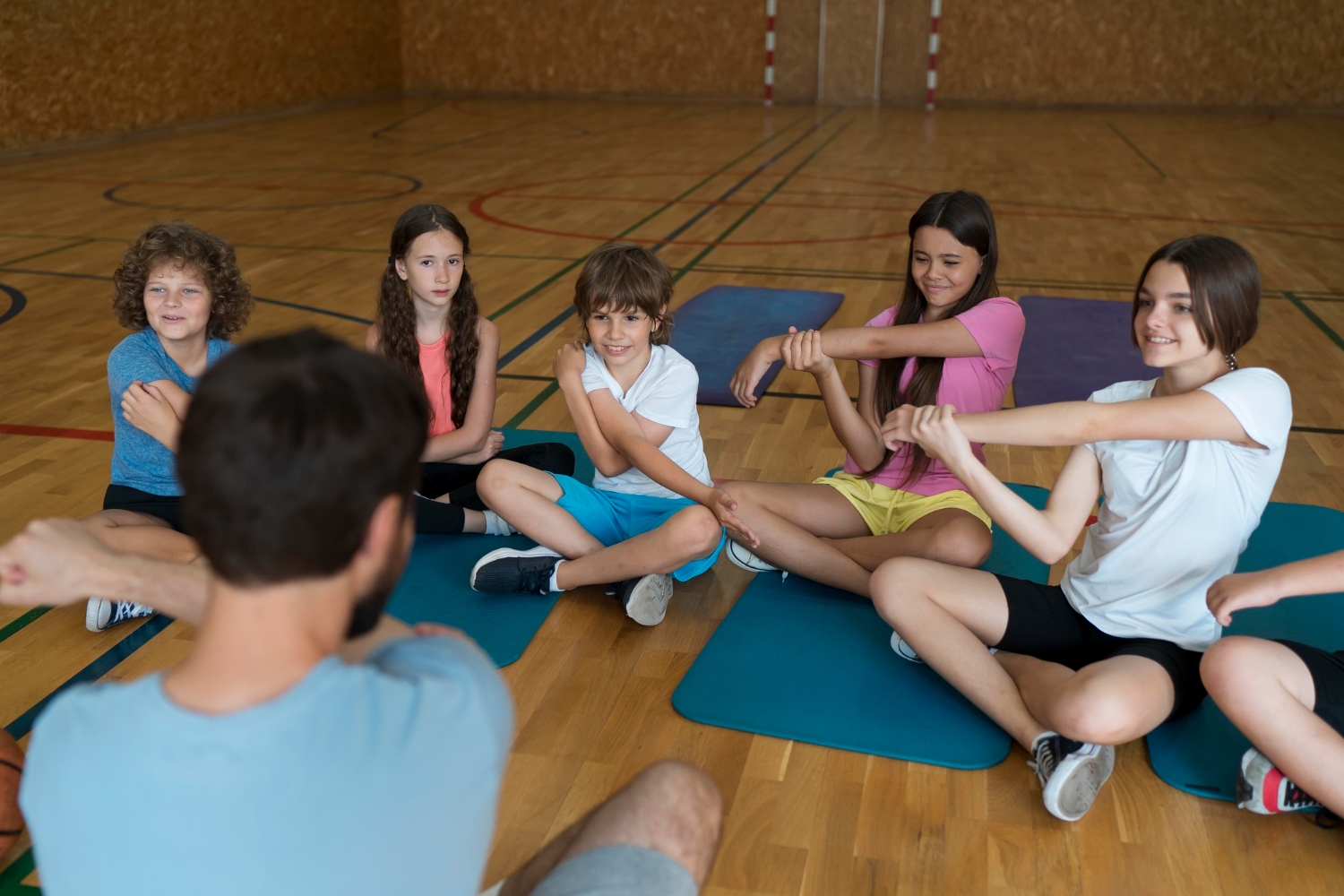
Be prepared for the classroom to feel partially full for a while. Several schools are continuing to deliver distance learning until they receive the necessary approvals, and families have been given flexibility on when their children return in person. Friends your child expected to see on Monday may only appear later in the week or the following one. If your child asks, the honest answer, "Their school is doing a phased return," is the one to give.
The Physical Return
The physical demands of a UAE school day are easy to underestimate after weeks at home. Waking earlier, managing the drop-off, carrying a full bag, moving between classrooms, and in the coming weeks coping with warmer mornings than the body is used to. April mornings are still workable, but the midday sun is starting to bite, and children who have been in air-conditioned rooms for weeks will feel it on the walk from gate to car.
If bedtime has drifted, do not attempt to reset it overnight. Shift by fifteen-minute increments every two or three days, and fix the wake time first. Morning daylight is the strongest cue the body has, and it pulls bedtime earlier within a few nights. Keep weekend bedtimes within about an hour of school nights; a two-hour weekend drift creates a fresh Monday reset that nobody enjoys.
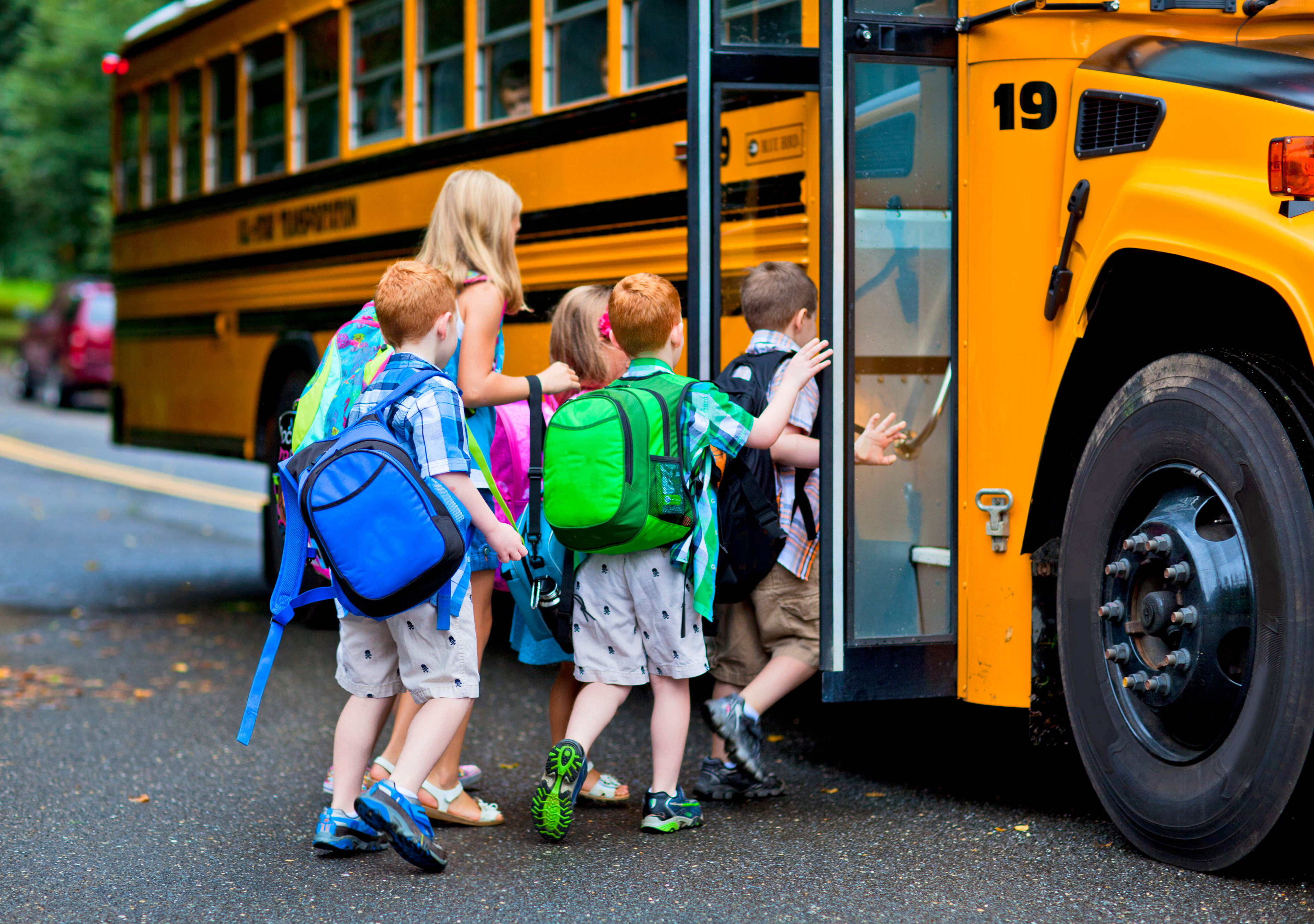
Hydration deserves more attention than parents usually give it in the first week back. A child used to sipping from a glass on the kitchen counter will need a larger bottle and active reminders until the habit resets. Pack a second bottle for the school bag, at least for the opening fortnight. With bus services resuming in phases across Dubai, Sharjah and Ajman, a few families will also be managing longer waits at collection points than they are used to, so build in the water, and perhaps a small snack, for that transition.
Screens deserve the same attention as sleep. Switch off at least an hour before bed, and keep devices charging outside the bedroom. Blue light suppresses melatonin, and engaging content, short videos especially, delays sleep onset more than parents tend to think.
The Weeks Ahead
Keep the home schedule lighter than usual for the next couple of weeks. Cancel or postpone after-school classes and tutoring where you can. Protect evenings: calm dinners, early bedtimes, no screens in bedrooms. Expect fatigue, mood swings and a general fragility by Thursday in the first week. That is normal and self-correcting if rest is protected.
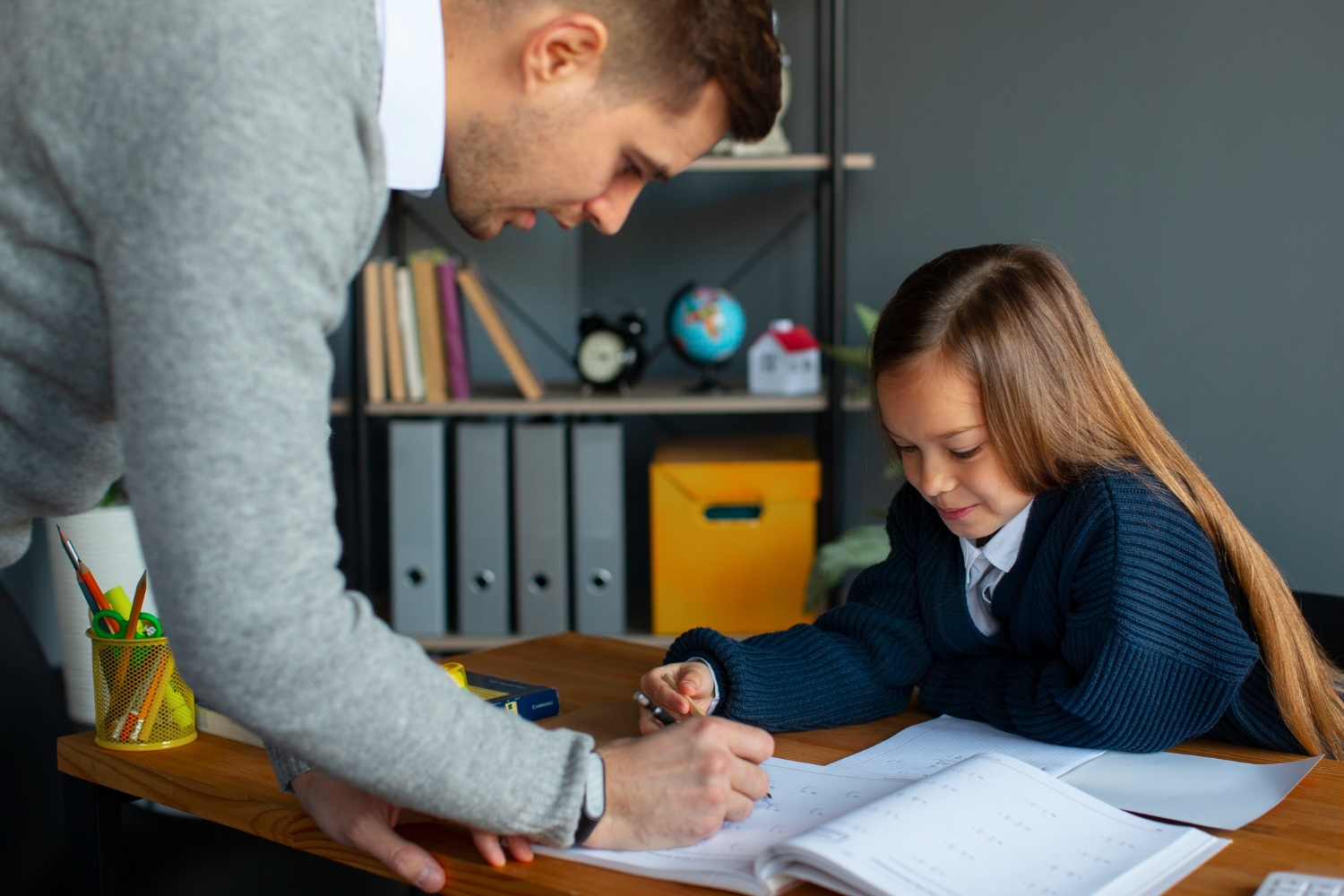
Speak to the class teacher early rather than late. Share what helped your child last year, any current worries, and your preferred channel, whether email, the parent app, or a quick note in the planner. If mornings have been difficult, ask about a warm hand-off plan and whether a short "reset break" is available during the day if needed. Most schools welcome proactive parent contact, and the UAE's education authorities have long treated the family-school partnership as central to wellbeing.
When to Seek More Support
Most children settle within two to three weeks. If, after four weeks, your child is still showing persistent distress, whether sleep disruption, appetite changes, school refusal, physical complaints only on school mornings, or any mention of self-harm, reach out. Paediatricians and family GPs can rule out medical causes and refer onwards. School counsellors are the right first stop for anything school-specific. Licensed child psychologists in the UAE are regulated by the Dubai Health Authority via the Sheryan registry, by the Department of Health, Abu Dhabi, and by the Ministry of Health and Prevention in the Northern Emirates.
The return this month is demanding, but it is also an opportunity. Children who come through a bumpy transition will learn something about their own resilience that smoother terms cannot teach. The parents who help most are not the ones with the perfect plan. They are the ones at the table on a quiet weeknight evening, tired alongside their child, quietly holding the rhythm of a normal week while the new one takes shape.